


How to Choose the Right Iron Services for Your Home
Choosing the right iron services for your home can be a bit tricky but is definitely manageable with some thought. Start by defining what you need, are you looking for safety or style, maybe both? Think about your home’s architectural design, too; an ornate railing might suit a traditional house better than a sleek modern one. Remember to check the quality of materials (like opting for solid wrought iron) and ensure they meet safety standards. It’s also wise to consider budget; custom options vary widely in cost. Finally, consult professionals who can help guide you through the available choices and make sure everything matches your vision and needs.
Table of Contents
- Define Your Purpose for Iron Services
- Match Your Home’s Architectural Style
- Assess Material Quality and Durability
- Prioritize Safety and Compliance
- Customize Your Design
- Consider Budget and Installation Costs
- Evaluate the Reputation of Service Providers
- Explore Types of Iron Services
- Environmental Considerations
- Consult Professionals for Expert Advice
- Frequently Asked Questions
Define Your Purpose for Iron Services
Credits: love2laundry.nl
When choosing iron services for your home, start by defining your purpose. Determine if the primary function is safety, aesthetics, or a mix of both. For example, you might need railings for balconies to enhance safety while also adding decorative elements that improve your home’s appearance. Think about specific needs, such as installing gates for security or fences for boundary definition. Consider the context of the ironwork; residential settings may have different requirements than commercial ones.
Long-term functionality is also crucial. Assess whether the iron features will need to support weight or withstand pressure, especially in areas like railings, where safety is paramount. Seasonal factors can influence your choices too. If you live in a region that experiences ice in winter, for instance, you might require railings that provide more grip.
Account for potential future needs, like the possibility of expanding your space or adding features later on. It’s a good idea to discuss your plans with family members or stakeholders, as their input might help refine your vision. Research how similar properties utilize iron services to gain insights into effective designs. Finally, set clear goals for what you want to achieve with the iron services, ensuring they align with your overall vision for your home.
- Identify if the primary function is safety, aesthetics, or a mix of both.
- Determine specific needs like railings for balconies or gates for security.
- Consider the context where the ironwork will be used, such as residential or commercial settings.
- Think about the long-term functionality and maintenance of the iron features.
- Evaluate if the ironwork will need to support weight or withstand pressure, as in railings.
- Assess any seasonal factors that might affect usage, like ice on steps or summer barbecues.
- Account for potential future needs, such as adding features or expanding the area.
Match Your Home’s Architectural Style
To choose the right iron services for your home, it’s essential to align the designs with your home’s architectural style. Start by examining your home’s existing features, like rooflines and window styles, which can guide your choices. For instance, a Victorian home may look stunning with ornate iron designs, while a modern house might benefit from sleek, minimalist ironwork. Look around your neighborhood for inspiration; seeing what styles are prevalent can help you select designs that feel cohesive in the area.
Finishes play a significant role too. Matte or glossy finishes can drastically change how the ironwork looks, so consider what complements your home best. Choosing colors that match your home’s palette is crucial, but make sure they also stand out enough for visibility and safety. The scale of the ironwork is important as well; it should be proportional to your home’s size to maintain visual balance. If you have a garden or landscaping, incorporating similar elements into your iron design can create a more cohesive outdoor space.
Using design software or sketches can help you visualize how different styles might look on your home, making it easier to narrow down your options. Exploring the history of wrought iron designs can also reveal unique elements to incorporate, adding character to your project. Consulting with design professionals ensures that your choices enhance your home’s overall appeal, making the right iron services a valuable addition to your property.
Assess Material Quality and Durability
Credits: delamereindustriesinc.com
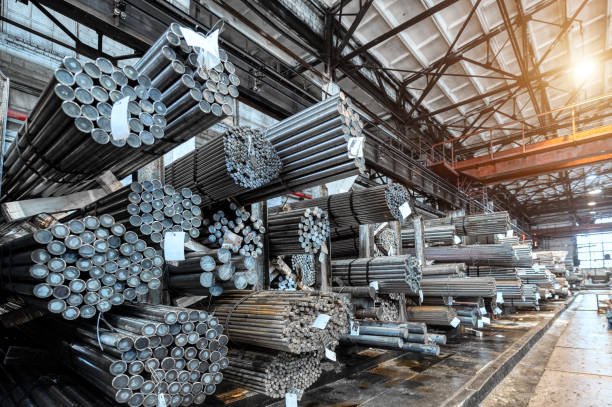
When choosing iron services, it’s crucial to assess the quality and durability of the materials being used. Start by researching different types of iron, such as wrought iron, cast iron, and mild steel, as each has its unique characteristics. Wrought iron is known for its strength but can rust if not properly treated. Cast iron is often used for decorative elements due to its ability to hold intricate designs but can be brittle. Mild steel is more affordable but may require protective finishes to resist rusting.
Consider environmental factors like humidity and salt air, especially if you live near the coast. In such areas, materials like stainless steel can be more suitable due to its corrosion resistance. Look for finishes that enhance durability, such as galvanized or powder-coated options, which can provide an extra layer of protection against the elements.
Inspect samples to evaluate their weight and sturdiness, as heavier materials often indicate better quality. Verify if the service provider offers warranties or guarantees on the materials, as this can reflect their confidence in the products. Understanding the maintenance requirements for different finishes is also essential; some may need regular upkeep, while others may be more low-maintenance.
Ask about the sourcing of materials to ensure they are not only high-quality but also responsibly sourced. Keep in mind the potential need for repairs or replacements in the future, as some materials may hold up better against everyday wear and tear than others. By carefully assessing these aspects, you can make an informed decision that will benefit your home for years to come.
Prioritize Safety and Compliance
When choosing iron services for your home, prioritizing safety and compliance is crucial. Start by checking local building codes regarding railings, gates, and other iron features to ensure they meet required standards. For instance, railings should adhere to minimum height requirements to prevent falls, especially in public areas. Consider features like rounded edges and non-slip surfaces where applicable, as these can enhance safety in high-traffic areas. Secure latching mechanisms on gates are also essential to prevent accidental openings. Visibility is another important factor; railings should not obstruct views while still providing the necessary safety. Installing barriers in areas where falls could occur, such as on staircases or balconies, is vital. Regular inspections of your iron installations for wear and tear help maintain safety over time. Discussing safety certifications with contractors can provide peace of mind that your installations are up to standard. Adding decorative yet functional elements, like handrails, can further enhance safety while complementing the aesthetic of your home.
Customize Your Design
When it comes to customizing your ironwork, the possibilities are nearly endless. Think about incorporating various design elements like curves, angles, and patterns that truly reflect your personal style. For instance, if you love a classic look, adding scrolls or floral motifs can bring a touch of elegance to your railings or gates. You might also consider personal touches, such as monograms, which can add a unique flair to your home.
Choosing the right finish is equally important. Make sure that it harmonizes with your home’s color scheme or blends well with the surrounding landscape. A black matte finish might suit a modern home, while a more ornate bronze could enhance a traditional setting. Additionally, think about combining iron with other materials like wood or glass. This mix can create a striking contrast and elevate the overall aesthetic.
Before finalizing your design, request samples or mock-ups. This step allows you to visualize how your custom design will look in your space, ensuring it meets your expectations. Working with designers who specialize in custom wrought iron is beneficial. They can offer creative solutions and ensure the quality of the craftsmanship.
If you’re looking for something intricate, consider using laser-cut designs. These techniques can produce detailed patterns that add a modern twist to your ironwork. Don’t forget to plan for lighting as well; strategic illumination can highlight your design features beautifully at night.
Lastly, while customizing, evaluate how your choices affect functionality. For example, ensure that gates open smoothly and railings provide adequate support. Always keep safety and durability in mind, making sure your unique design meets all necessary standards.
Consider Budget and Installation Costs
When planning for iron services, it’s crucial to create a detailed budget that encompasses all expenses. Begin by listing costs for materials, labor, and any additional features you might want, such as custom designs. It’s wise to compare quotes from several service providers to ensure you receive fair pricing. Be open about your budget with these providers to find options that fit your financial plan.
Keep in mind that custom designs can lead to additional costs, and unforeseen modifications may arise during installation, so it’s important to have some flexibility in your budget. Look for seasonal discounts or promotions that could help reduce costs. Additionally, consider the ongoing maintenance and repair expenses associated with your installation, as these can accumulate over time.
If your project exceeds your initial budget, explore financing options that many service providers offer. Don’t forget to factor in potential costs related to permits or inspections that may be necessary for the installation. For larger projects, discussing payment plans with your service provider can make the financial aspect more manageable. Finally, keep track of all expenses throughout the process to ensure you remain within your budget.
| Cost Description | Estimated Price Range |
|---|---|
| Basic designs (per linear foot) | $150 – $300 |
| Ornate designs (per linear foot) | $350 – $550 |
| Installation costs (total) | $500 – $2,000 |
| Potential additional costs (custom designs/modifications) | Varies |
| Maintenance and repair costs | Variable depending on material and usage |
| Permit and inspection costs | Depends on local requirements |
Evaluate the Reputation of Service Providers
Credits: nytimes.com
Finding the right iron service provider starts with understanding their reputation. Begin by researching potential providers through online reviews and ratings. Websites like Yelp and Google Reviews can be great resources for customer feedback. You can also ask friends or family for recommendations, especially if they have had similar work done. A strong portfolio showcasing past projects can give you insight into their craftsmanship and style.
Don’t hesitate to contact previous clients to inquire about their satisfaction and overall experience. This direct feedback can offer a clearer picture of what to expect. Additionally, verify any licenses or certifications that demonstrate professionalism and adherence to industry standards. A company that has been in business for several years often indicates reliability, as longevity can mean they’ve built trust with their clients.
Pay attention to how responsive they are to your inquiries. A provider who is willing to answer your questions and address concerns shows dedication to customer service. Transparency is also key; they should clearly outline their pricing and processes to avoid surprises later. Lastly, consider how they handle complaints or issues that may arise during the project. A good provider should have a clear policy for resolving problems. Reviewing warranty policies is equally important, as knowing what is covered after installation can save you from future headaches.
Explore Types of Iron Services
When considering iron services for your home, it is essential to explore the various types available. You can find ornamental fencing that enhances curb appeal, custom gates that provide security, and railings suitable for decks or balconies. Each type serves different functions, so think about what you need most. For instance, if security is a priority, specialized offerings like security gates are worth looking into. You might also opt for decorative garden fences that add charm while delineating your property.
Another option is combining various types of ironwork to create a cohesive look. For example, matching railings with a gate design can tie your outdoor spaces together beautifully. If you anticipate future needs, consider modular options that can be customized or expanded, allowing you to adapt as your circumstances change.
Engaging with local suppliers can also yield unique, locally made products that might not be widely available. Don’t hesitate to ask providers about innovative iron products that may incorporate advanced designs or safety features. If sustainability is important to you, inquire about eco-friendly options, such as recycled materials or ironwork produced with sustainable practices. Finally, think about how different styles, whether rustic, modern, or something in between, will align with your home’s overall aesthetic. Keep in mind that maintenance requirements can vary, so understanding the upkeep involved with each type of iron service can help you make a well-informed decision.
Environmental Considerations
When selecting iron services, it is crucial to consider local environmental factors that might impact your installations. For instance, if you reside in a coastal area, the high moisture and salt content in the air can accelerate rust and corrosion. Opt for finishes that offer resistance to these elements, such as powder coating or galvanization, to ensure the longevity of your ironwork.
It is also wise to explore eco-friendly materials and practices within the iron industry. Investigate if your service provider uses recyclable materials or has sustainable manufacturing processes. For example, some companies may offer iron with low environmental impact, which can enhance your property’s sustainability.
Additionally, consider how the local climate influences the durability of your iron installations. Harsh weather conditions may require more frequent maintenance to protect against wear and tear. Planning for regular upkeep can help extend the life of your iron features.
Nearby vegetation can also play a role in the durability of your ironwork. Overhanging branches or aggressive roots can cause physical damage over time. Be sure to assess the landscaping around your home to prevent any potential issues.
Lastly, inquire about how to responsibly dispose of any old ironwork when installing new features. Choosing designs that minimize material usage or that are made through energy-efficient processes can further lessen your environmental impact.
Consult Professionals for Expert Advice
Consulting professionals can make a significant difference when selecting iron services for your home. Seek out experienced specialists who understand the nuances of iron work, as they can offer tailored guidance that aligns with your vision. Prepare a list of questions to ensure clarity during consultations; ask about current trends in ironwork design and materials to keep your choices modern and relevant. It’s also wise to request recommendations for maintaining your iron installations over time, ensuring they remain beautiful and functional.
Discuss the feasibility of your ideas with these experts, and welcome their insights on potential alternatives that you may not have considered. Many professionals can assist you in visualizing your project through design software or sketches, which can be incredibly helpful in making final decisions.
Understanding the timeline for installation is crucial, as well as factors that may impact it, such as weather or material availability. By evaluating the impact of your choices on property value and aesthetics with expert input, you can feel more confident in your decisions.
Don’t forget to inquire about integrating modern technology, like automated gates, into your iron services, as this can enhance both convenience and security. Lastly, if you want peace of mind, consider hiring a project manager to oversee the entire process, ensuring everything runs smoothly from start to finish.
Frequently Asked Questions
What should I look for in an iron service company?
When choosing an iron service company, consider their experience, customer reviews, the types of services they offer, and their response time. A reliable company should also have trained professionals who know how to handle different types of iron work.
How can I tell if an iron service is high quality?
You can judge the quality of an iron service by looking at their past work, checking customer testimonials, and asking to see examples of their projects. A good service will take pride in their work and have positive feedback.
What types of iron services are commonly offered?
Common iron services include wrought iron fabrication, gate installation, fencing, railing design, and repairs. Depending on your needs, these services can enhance both functionality and aesthetics in your home.
Is it important to check references before hiring an iron service?
Yes, checking references is important. It helps you ensure that the service provider has a good reputation and consistently delivers quality work. Speaking with past clients can give you valuable insights into their reliability and craftsmanship.
What if I have specific design ideas for my iron work?
If you have specific design ideas, communicate them clearly to the iron service. Many companies are open to custom designs and can work with you to bring your vision to life, ensuring that it fits your style and requirements.
TL;DR Choosing the right iron services for your home requires careful thought about your needs, style, safety, and budget. Start by defining the purpose of the iron work, ensuring it matches your home’s architectural style. Assess the material quality for durability and prioritize safety and compliance with local codes. Customize your design to reflect personal taste while considering your budget and installation costs. Research reputable service providers, explore different types of iron products, and account for environmental factors. Consulting professionals can help you make the best choice for your project’s needs.